LAB 003· Zyntria Labs R&D

Concept study

Operations Pulse

A concept exploring how routine operational updates could be prepared for weekly review.

Concept study · not shipped work

This Zyntria Labs concept study uses fictional people, organisations, data and interface states. It is not a client project, deployed product or claim of measured performance.

Question being explored

Can recurring operational inputs be assembled into a useful review while keeping interpretation, context and distribution with the team?

Weekly reviews often involve gathering the same updates, checking what is missing and separating a meaningful exception from ordinary variation. Operations Pulse explores how a system might prepare that view while allowing people to supply the explanation.

Concept workflow

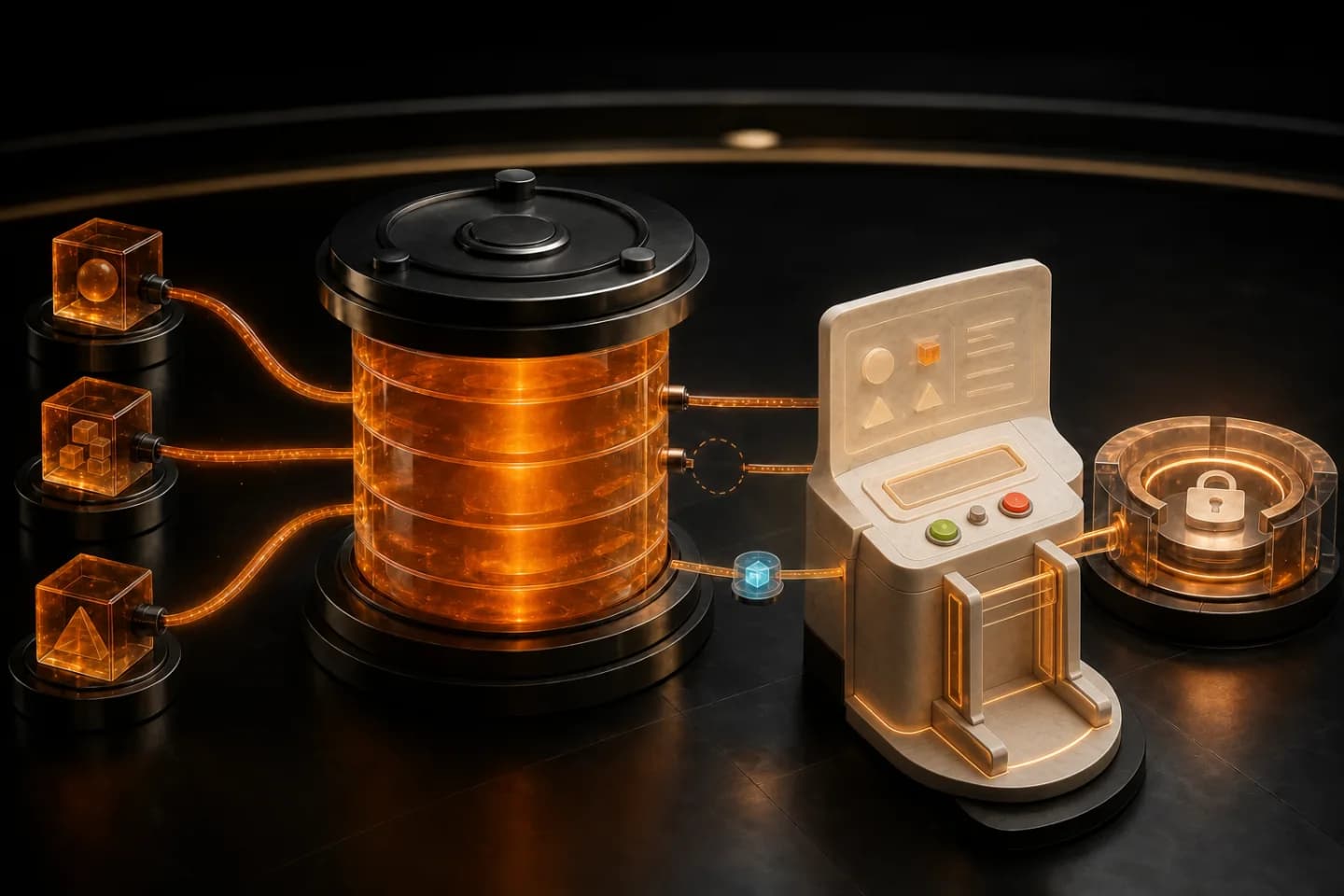
A staged interaction with review built into the path.

The sequence maps the intended interaction and its review points.
  1. 01

    Collect approved inputs

    Fictional updates arrive from a small set of authorised sources.

  2. 02

    Check completeness

    Missing, stale and inconsistent inputs are shown before summarisation.

  3. 03

    Prepare the review

    The concept organises changes, repeated themes and possible exceptions.

  4. 04

    Add context

    Team members explain unusual movement and correct misleading summaries.

  5. 05

    Approve distribution

    An accountable person chooses what should be shared and with whom.

Human-control point

A person keeps the consequential decision.

The concept never treats a pattern as a business conclusion. A person verifies important changes, adds operational context and approves the audience before a review is distributed.

Technical approach

Production questions the concept exposes.

  • A real implementation should use explicit connectors and permissions for each source.
  • Summaries should retain links to underlying records where the reviewer is authorised to inspect them.
  • Exceptions need deterministic thresholds where possible; AI-generated interpretation should remain separately identified.

What is fictional

The demonstration boundary is explicit.

  • The organisation, teams and operational sources
  • All updates, exceptions, trends and commentary
  • Every status, timestamp and distribution event
  • Any apparent performance or business measure

Limitations

What this concept does not establish.

  • This is a fictional interface concept, not an operational reporting product.
  • The example does not establish which sources, measures or thresholds are appropriate for a real business.
  • No reliability, productivity or decision-quality outcome has been measured.
  • A production system would require organisation-specific privacy, security and governance review.

Design considerations

Questions the concept brings into view.

  • Input completeness should be visible before a polished summary can imply confidence.
  • A useful operational review distinguishes reported facts, system-generated synthesis and human commentary.
  • Distribution permissions belong in the workflow because the audience can change the sensitivity of the same information.

Questions before a real test

Resolve the operating context before connecting real tools or data.

  1. 01Use approved, representative and non-sensitive sample material to test whether the review flow is understandable.
  2. 02Define success, failure and exception criteria before connecting any real business tools.
  3. 03Review privacy, security, permissions, retention and operational ownership for the specific organisation.

Start with the real problem

Have a workflow worth exploring?

Start with one recurring review and the people responsible for its decisions.